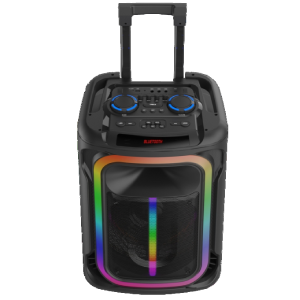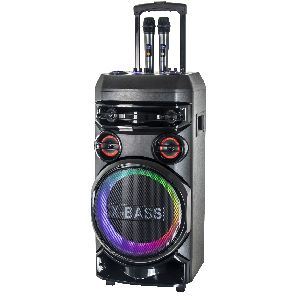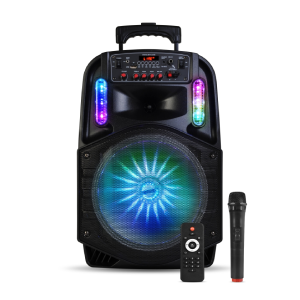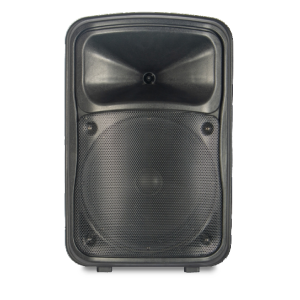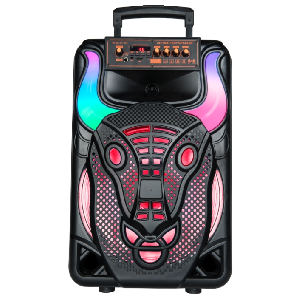
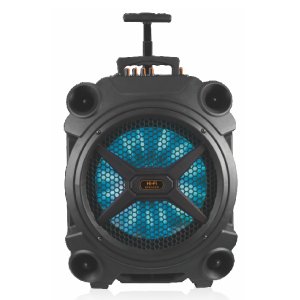
AO-125 Single 12inch 20W High Power Trolley Speaker for Outdoor Events
- Model NO. : AO-125
- Speaker Size : 12inch
- Output power : 20W
Q:How can a brand evaluate whether an existing trolley speaker model is suitable for private labeling?
A:
-
Product Positioning
First confirm the market positioning: clarify which consumer groups the speaker targets (family home entertainment, outdoor street performance, street vendor use, party gathering, portable outdoor leisure), and match the consumption capacity and usage habits of your target regional market. If the original model’s positioning overlaps heavily with mainstream competing goods without distinctive advantages, it is not suitable for private labeling.
-
Appearance Design
Evaluate the shell shape, body size, color scheme, handle & wheel structure, grille style, and overall visual texture. Check whether the appearance can form visual differentiation from generic wholesale trolley speakers; simple, mold-compatible appearances retain larger personalized modification space for logos, color matching, and shell details, which is more ideal for private label. Outdated, bulky, homogeneous designs are not recommended.
-
Hardware Configuration
Check core specs comprehensively: speaker driver size, output power, battery capacity, Bluetooth version, playback modes (USB/TF card/FM/AUX), microphone jack quantity, sound tuning effect, LED light effects, and extra functions such as recording, wireless mic pairing. Stable, mature hardware configurations reduce after-sales failure risks; you can also reserve adjustable space for power, sound effects and functions to cater to local market preferences.
-
Target Selling Price & Cost Accounting
Calculate the landed cost (production cost + packaging + logistics + tariff), compare it with the mainstream retail price range of similar trolley speakers in your target country/region. Ensure there is enough profit margin between your final planned selling price and total cost. If the cost is too high to compete with local mainstream prices, or the profit space is too narrow, this model is not viable for private label sales.
-
SKU Differentiation Potential
Check whether multiple differentiated SKUs can be derived from the base model: different power versions, battery capacities, light styles, single/double wireless microphone bundles, standard/luxury packages. Rich SKU combinations help cover low, medium and high consumer segments, avoid single product risk, and boost overall sales volume.
-
Customization Space
Confirm the supplier’s available custom scope:
- Exterior: logo silk printing/laser engraving, customized body colors, packaging box design & printing
- Internal: adjustable sound tuning, customized startup boot sound, function switch settings
- Accessories: matched user manuals, plug adapters compliant with local power standards
Sufficient flexible customization space enables you to build exclusive brand features and distinguish yourself from generic wholesale products.
Only when customization is flexible and the MOQ (minimum order quantity) matches your brand’s order capacity can the private label project be carried out smoothly.
Related products